Back to Blog
Ketamine TherapyJune 2, 20267 min read
How Fast Does Ketamine Therapy Work for Depression Compared to Traditional Antidepressants?
How fast does ketamine therapy work for depression vs. SSRIs? RGV Direct Care explains the timeline difference and what patients in the RGV can expect.
 If you've spent months cycling through antidepressants with little to show for it, the question isn't just whether something will work — it's when. How fast does ketamine therapy work for depression, and how does that compare to medications you've already tried? The timing difference between these two approaches is one of the most clinically meaningful distinctions in mental health treatment today, and it's worth understanding clearly before making any decisions.
How Traditional Antidepressants Work and Why They Take Longer
SSRIs and SNRIs — medications like sertraline, fluoxetine, and venlafaxine — are among the most commonly prescribed antidepressants in the United States. They work by gradually adjusting serotonin and norepinephrine activity in the brain. Because that process unfolds over time, many people do not notice meaningful improvement until two to four weeks in, with full therapeutic effects often taking six to eight weeks or longer. That waiting period can feel discouraging. You're already struggling, and now you're being asked to stay on a medication for weeks before knowing whether it is helping. For many patients, these medications do provide lasting relief and remain first-line treatments for good reason. But for those who have tried multiple medications without adequate response, the cycle of waiting and adjusting can become exhausting.How Fast Does Ketamine Therapy Work for Depression?
 Unlike traditional antidepressants, which often require weeks of daily dosing before effects are felt, some patients treated with ketamine have reported mood changes within hours to days — though individual responses vary considerably and not all patients experience this rapid onset. Research has documented effects in some individuals as early as one to four hours after treatment, though responses vary. This speed of potential onset is one reason researchers and clinicians have taken a serious interest in ketamine for patients who have not responded to standard therapies.
Ketamine works through a different mechanism entirely. Rather than targeting serotonin pathways, it acts on the brain's glutamate system, specifically the NMDA receptor. This distinction is one reason researchers believe its effects may appear far sooner than those of traditional antidepressants.
It is important to note that ketamine for depression is used off-label. It does not currently have FDA approval for this specific indication, though research supporting its use in treatment-resistant depression continues to grow. A related medication, esketamine (Spravato), does have FDA approval for treatment-resistant depression. Any decision to pursue treatment should happen in consultation with a qualified physician who can evaluate your full medical history.
Unlike traditional antidepressants, which often require weeks of daily dosing before effects are felt, some patients treated with ketamine have reported mood changes within hours to days — though individual responses vary considerably and not all patients experience this rapid onset. Research has documented effects in some individuals as early as one to four hours after treatment, though responses vary. This speed of potential onset is one reason researchers and clinicians have taken a serious interest in ketamine for patients who have not responded to standard therapies.
Ketamine works through a different mechanism entirely. Rather than targeting serotonin pathways, it acts on the brain's glutamate system, specifically the NMDA receptor. This distinction is one reason researchers believe its effects may appear far sooner than those of traditional antidepressants.
It is important to note that ketamine for depression is used off-label. It does not currently have FDA approval for this specific indication, though research supporting its use in treatment-resistant depression continues to grow. A related medication, esketamine (Spravato), does have FDA approval for treatment-resistant depression. Any decision to pursue treatment should happen in consultation with a qualified physician who can evaluate your full medical history.
Ketamine vs. SSRIs: Timeline Comparison
| Treatment Factor | SSRIs / SNRIs | Ketamine Therapy |
|---|---|---|
| Onset of Effects | 2 to 4 weeks | Hours to 1 to 2 days (some patients) |
| Full Effects | 6 to 8+ weeks | Often after a series of sessions |
| Duration Per Treatment | Daily medication | Relief may last about 1 week after one session |
| Typical Use Pattern | Daily oral medication | Supervised IV or IM sessions |
| FDA Approval for Depression | Yes (most) | Off-label |
Why Speed Can Be So Important
 For someone newly starting treatment with mild to moderate symptoms, a six-to-eight-week timeline may be manageable. But for patients with treatment-resistant depression, those weeks can represent more waiting on top of months or years that have already passed.
Faster onset can also be clinically meaningful when symptoms are severe and a patient needs more immediate support. Ketamine's rapid action is one reason it has drawn serious attention from physicians and researchers working with complex mental health cases. Still, it is not a replacement for ongoing psychiatric care or a reason to stop other treatments without medical guidance.
For someone newly starting treatment with mild to moderate symptoms, a six-to-eight-week timeline may be manageable. But for patients with treatment-resistant depression, those weeks can represent more waiting on top of months or years that have already passed.
Faster onset can also be clinically meaningful when symptoms are severe and a patient needs more immediate support. Ketamine's rapid action is one reason it has drawn serious attention from physicians and researchers working with complex mental health cases. Still, it is not a replacement for ongoing psychiatric care or a reason to stop other treatments without medical guidance.
Risks and Safety Considerations
Like all medical treatments, ketamine therapy carries known risks that are discussed in full during your evaluation before any treatment begins. These include temporary increases in blood pressure and heart rate, dissociative or perceptual effects during the session, and in some cases worsening psychiatric symptoms such as increased anxiety. With repeated use over time, urinary or bladder issues have been reported in some patients. As a Schedule III controlled substance, ketamine also has recognized potential for psychological dependence — which is one reason treatment at RGV Direct Care is carefully monitored and limited to medically appropriate courses of therapy. Your physician will review your complete medical history to determine whether treatment is safe and appropriate for your specific situation. A full discussion of risks, benefits, and alternatives is part of the intake process before any treatment begins.What a Ketamine Session Looks Like at RGV Direct Care
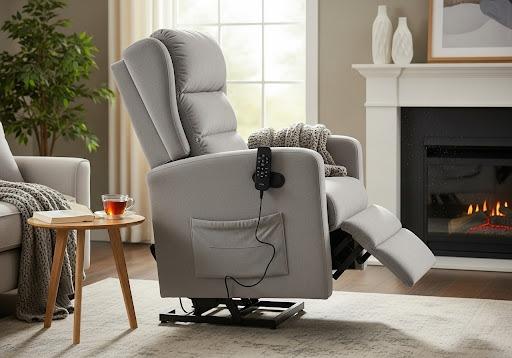
At RGV Direct Care, IV and IM ketamine sessions are administered in private, monitored rooms under physician supervision — an in-clinic, physician-present model consistent with safety standards under active development at both the national and state regulatory level for ketamine therapy. Sessions typically run 40 to 60 minutes. Patients relax in a reclining chair, with calming music and visuals available throughout the experience. Because ketamine can affect cognition and coordination during and after treatment, patients must arrange transportation and should not drive the same day. Alcohol and non-prescribed substances should also be avoided for at least 24 hours afterward. These safety protocols help ensure treatment is medically appropriate and well-managed.How Long Do Ketamine's Effects Last?
This is where the comparison becomes more nuanced. Ketamine's effects may begin quickly, but they are generally not permanent after a single session. Many patients report relief lasting approximately one week after one infusion, while a structured series of treatments may extend that benefit. That is why ketamine is typically used as part of a broader treatment plan that may include counseling, psychiatric follow-up, and ongoing medical oversight. It is not presented as a standalone solution.Who May Be a Good Candidate for Ketamine Therapy?
Ketamine therapy may be considered for adults who meet criteria such as:- A diagnosis of major depressive disorder, anxiety, or PTSD
- Inadequate response to prior treatments
- General medical stability
- Completion of a psychiatric evaluation